From Budgetary Dreams to Digital Reality: mapping Bangladesh’s journey to a life-cantered economy


A national budget is not an accounting ledger; it is a social compact tying the state with its inhabitants. Bangladesh is at the cusp of a critical economic transition with its macroeconomic size over $450 billion while domestic pressures are high. Therefore, fiscal planning needs to adopt a paradigm shift toward a “life-centered” mentality. An economy based on life values actual buying power, human development, energy security and structural integrity over superficial growth indicators. This paper addresses fiscal path of Bangladesh, macroeconomic bottlenecks, distress in banking sector, severe gas and electricity crisis hampering industrial output, bottlenecks in local administrative execution, tax rate increases, and the non-negotiable imperative of fully digitizing tax administration
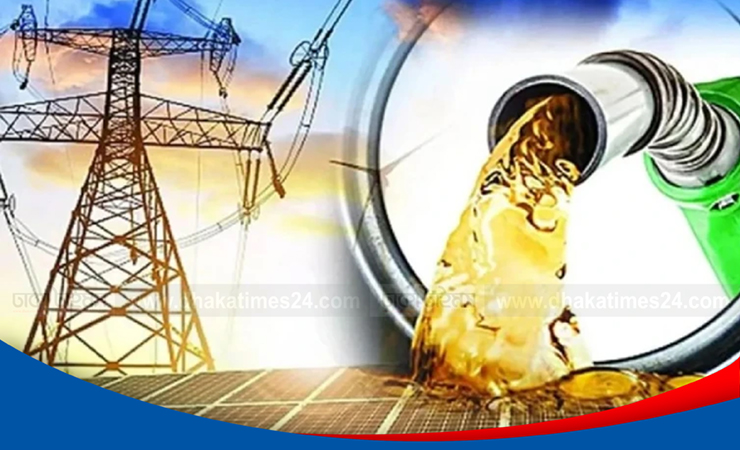
Although the national budget projections set an optimistic growth rate of 6.5%, multilateral institutions like the World Bank, IMF and Asian Development Bank (ADB) continue to maintain conservative forecasts between 3.5% and 4.7%. The IMF has projected 3.5% while the ADB has adjusted its forecast to 3.7%-4.5%. “Continued supply chain disruptions, elevated input costs, energy shortages and limited credit expansion are weighing on real output growth. Inflation further eased on a point-to-point basis to 8.32% in July 2026 (from 9.16% in June and 9.42% in May 2026), with some moderation in food (7.16%) and non-food (9.28%) segments. Bangladesh Bank has changed its monetary policy to spur domestic investment and increase the flow of private credit by reducing the key policy repo rate by 50 basis points to 10.0% (from 9.50% to 11.00% for the Standing Lending Facility rate). But underlying supply restrictions, syndicates in the market and cost-push distortions still need active fiscal and monetary cooperation. The real sector is suffering from profound structural problems, with the gas and power deficit increasing: Industrial stagnation: Gas rationing and low pressure cost the export-oriented manufacturing and RMG sector an estimated Tk 2,387 crore a day in lost production. Import Reliance vs Exploration Delay: Natural gas imports (LNG) are ~34% of demand, exposing grid generation to worldwide spot-price shocks. Power industry subsidies top Tk 40,000 crore: Capacity Payments Drain Power sector subsidies are more than Tk 40,000 crore yearly, largely due to guaranteed capacity charges to commercial power producers regardless of generation.
[ Industrial Grid Supply] │ ┌──────────────┴──────────────┐ ▼ ▼ [ LNG Import Volatility] [ Capacity Payments]
- ~34% Gas imported - > Tk 40,000 Cr/yr subsidies
- Susceptible to spot pricing - fiscal loss on exchequer
Gross foreign exchange reserves improved significantly to $37.25 billion USD (reserves computed on the basis of the IMF's BPM6 methodology were $32.44 billion USD), bolstered mainly by strong remittance inflows. This recovery notwithstanding, the balance of payments is still under constant scrutiny due to external debt servicing commitments and high energy import costs. Collection of Revenue Deficit Bangladesh’s tax-to-GDP ratio is dangerously low at 6.8%-7.5%. The NBR collection is always below the targets, like it was by Tk 87,500 crore to Tk 88,000 crore in the recent past, which curtails public expenditure in health, education and social safety nets.
Development Funding & Implementation Shortfalls: The Annual Development Program (ADP) has set the targets of outlay at around Tk 3.00–3.09 lakh crore. Recent trends favor social infrastructure (education ~15.86%, health ~11.84% of ADP outlay), however execution is limited by institutional bottlenecks: Slow Early Adoption: ADP spending generally runs under 35%–40% in the first three quarters, leading to inefficient spending crunches before year-end. Implementation Delays: Bureaucratic procurement delays, land acquisition problems and inter-departmental misalignments can often dilute the Return on Investment (ROI) for key capital spending. The Banking Sector Crisis The financial sector's systemic risk is an immediate threat to macroeconomic stability:
Total Banking Sector Loan Portfolio (Tk 18.21+ Lakh Crore)
├── Performing Assets (~40%) └── Total Distressed Assets (Tk 10.88-10.91 Lakh Crore / ~60%) ├── Gross Non-Performing Loans (Tk 5.57-5.89 Lakh Crore)
├── Rescheduled Unclassified Loans (Tk 2.68 Lakh crore)
├─ Loans Under Stay Orders (Tk 1.82 Lakh Cr)
└── Written Off Facilities (Tk 83,479+ Cr)
Rising Non-Performing Loans (NPLs): Gross official NPLs already crossed Tk 5.57 lakh crore or some 32% of total loans. Total distressed assets crossed Tk 10.91 lakh crore or about 60%. Capital Deficits: The sector-wide Capital to Risk-Weighted Assets Ratio (CRAR) tumbled to -2.64% because of provisioning deficits, putting at least 20 commercial banks below the Basel III mandates. Loan Crunch: Private sector loan growth fell to multi-decade lows of 4.47%, limiting industrial investment and employment creation. Recent tax changes, including increased marginal income tax rates, removal of lower tax brackets and smaller investment rebate allowances are structurally worrying. Raising rates in an economy with narrow compliance generates economic friction:
[ Manual Tax Processing + Rate Hikes] ──> Taxpayer Friction, Evasion (< 8% Tax-to-GDP) │ [ Modern Automation] │ [ Integrated Digital NBR Platform] ──> Faceless Audits, Base Expansion (> 12-15% Tax-to-GDP)
Penalty on Compliant Tax Payers: Higher tax rates hit the formal sector enterprises and salaried middle income earners the hardest. Informal wealth or tax evaders are not being caught. Higher corporate and personal taxes add to the operational costs of domestic manufacturers that already face high energy bills and inflation, adding to cost pressures. Incentive for Evasion: With the higher nominal rates, and no automated verification, there is an incentive for informal transactions (Hundi) and compliance avoidance. Needs of automation: End-to-end e-Filing Integration: Demand automated corporate and individual filings that are directly connected to banking information. Unified Taxpayer ID: Integrate Income Tax, VAT and Customs under a unified NID/TIN framework. Faceless AI Audits: Use AI risk-modeling for audit selection to reduce discretionary officer interventions. SWOT Analysis: Strategic Factors & Conditions Strengths: E-Return system takes hold; strong domestic IT industry; foreign reserve surge ($37.25B gross / $32.44B BPM6). Weaknesses Chronic gas/electricity shortages System Losses Low tax/GDP ratio (6.8%–7.5%) Fund surrenders by UNOs at field level Tax rate hike friction Opportunities Policy rate drop (to 9.50%) to boost credit; domestic gas development; rooftop solar expansion; automated tax compliance; hydro-GIS canal planning. Threats Global LNG spot price volatility; capacity payment pressure; industry stagnation; project delays due to local land litigation.
Grassroots Safety Nets & Field Level Realities of Implementation
[ Grassroots Interventions] │ ┌────────────────────────────────────┼────────────────────────────────────┐ ▼ ▼ ▼ [ Khal Khannan Program] [ Family Card Program] [ Food-for-Work (Kabikha) ]
- Irrigation & flood resilience - Subsidies on food staples - Micro-savings integration- Requirement of Hydro-GIS planning - Smart registration on the basis of NID - Seasonal employment of labor
Causes of Fund Surrenders in Canal Digging (Khal Khannan) Several Upazila Nirbahi Officers (UNOs) return unspent allocated canal-digging monies at the conclusion of the fiscal year due to substantial bottlenecks at the field level:Land Ownership & Encroachment Disputes: Illegal encroachments, disputes over land records (CS/RS vs. SA/BS mutations) and court stay-orders plague the canals. UNOs encounter legal problems when they try to clear contested land without judicial sanction. Inter-Agency Conflict & Flawed Feasibility: Many Projects Awarded without Adequate Hydro-Technical Survey Administrative paralysis is caused by jurisdiction conflicts between Bangladesh Water Development Board (BWDB), Local Government Engineering Department (LGED) and the Ministry of Land. Monsoon Timing & Postponed Allocations: cash are provided late in the fiscal year (Q3/Q4) and are released when pre-monsoon rains are taking place and hence, heavy excavation cannot be physically undertaken and officers are forced to forfeit cash instead of risking poor and corrupt execution. Procurement Audits & Administrative Risk Aversion: Field administration tend to return unused money when project parameters are unambiguous or politically contentious due to strict auditing standards and risk of legal liability post-project. Subsidized Safety Nets and Rural Employment Modern Family Cards: It provides subsidized food staples through NID-linked smart verification, coupled with micro-savings arrangements to take households from basic assistance to micro-capital formation. Food-for-Work (Kabikha): Provides rural labor in off-season periods for construction of embankments and maintenance of local water channels, besides hydro-mechanized canal re-excavation.
Reform field-level project implementation (UNOs)Pre-Fiscal Hydro-GIS Mapping: Digital spatial mapping and verification of land records before funding to remove any encroachment and ownership delays. Single-Window District Clearinghouses: Create a consolidated district-level committee of BWDB, LGED, Land Ministry and Upazila administration to promote single-window approval within 14 days. October – November Disbursement Window: Shift earthworks fund releases to the first quarter (October – November) only, so that they can be completed before pre-monsoon rains. Broaden the tax base at increasing rates. Back to tax-net expansion, not tax-rate hikes for compliant earners. Make e-filing mandatory, link databases of various agencies (Land, NID, Bangladesh Bank) and use automated AI audits on a risk-based approach. Address Energy Bottlenecks & Change Power Contracts Recast non-competitive capacity payment pacts to plug subsidy bleed of over Tk 40,000 crore, speed up onshore/offshore gas search and promote solar integration in industries. Restructuring of Banking Sector Conduct independent asset quality reviews, impose strict asset recovery on defaulters and enforce compliance with Basel III capital requirements. Strengthen ADP Investment & Social Protection Implementation Shift development focus to human capital (education and healthcare) and limit quarterly ADP releases to verified execution milestones only.
To move to a life-centered economy demands serious structural reforms, not optimistic growth expectations. If Bangladesh can address the gas and electricity deficit, resolve administrative bottlenecks at the field level (UNO fund surrenders, etc.) through early planning and GIS mapping, broaden the tax base through digital means rather than raising the tax rate on existing payers, restructure non-performing loans, and expand targeted social safety nets, it can build a resilient, equitable and sustainable macroeconomic foundation.
Writer: Post-Doc; Professor; Department of Economics, Bangladesh University of Business & Technology (BUBT)
 ঢাকা টাইমস অনলাইন এর সর্বশেষ খবর পেতে Google News ফিডটি ফলো করুন